Loading...
Serving Norwalk, CA and surrounding areas. (562) 539-0405
Serving Norwalk, CA and surrounding areas. (562) 539-0405
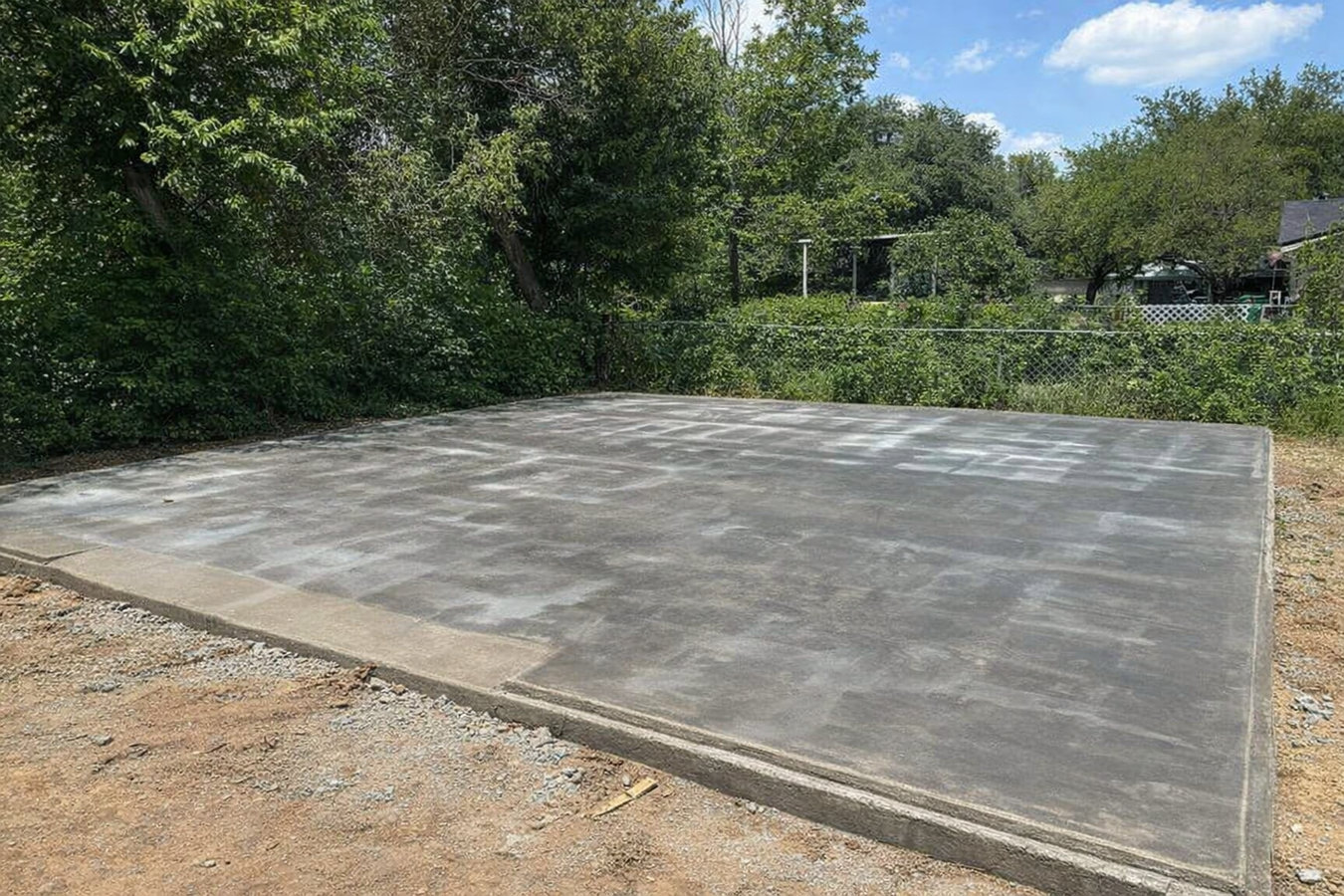
Norwalk Concrete Company provides concrete contractor services throughout West Covina, CA - slab foundations, driveway replacement, patio construction, and flatwork repair on the San Gabriel Valley's single-family ranch homes - and we are fully licensed through the California Contractors State License Board with response times within one business day. We have completed projects across the city's neighborhoods and know the soil conditions, permit process, and building stock here.
West Covina's ADU surge is creating consistent demand for new concrete slabs on existing properties - garage conversions, backyard units, and room additions all require a properly reinforced foundation poured to current seismic zone standards. Older properties in the city also sometimes need slab repairs tied to the clay soil movement that has been stressing these foundations for decades. We handle the full process, from permit application through the City of West Covina to the final inspection. Learn more about our slab foundation building services.
Most West Covina homes were built between 1950 and 1980, and original driveways are 45 to 75 years old - past their typical service life. The clay soils common in the San Gabriel Valley have been expanding and contracting beneath these slabs through every rainy season, and the cracking and shifting that results is not patchable once the base has failed. We remove what is there, prepare the ground properly, and pour a reinforced replacement designed to handle these soil conditions.
West Covina's inland climate means summer temperatures regularly reach the mid-90s and outdoor living is practical for much of the year - which makes a well-built patio a usable asset rather than a seasonal amenity. Many properties here have modest lots of 6,000 to 8,000 square feet, so a patio layout that uses the available space efficiently and drains correctly is worth getting right from the start.
Sidewalk panels on West Covina's older streets have been cracking and lifting from soil movement and tree root intrusion for decades. The city can require property owners to repair hazardous sidewalk panels adjacent to their property, which makes this a time-sensitive job when you get the notice. We remove compromised panels, address root issues where feasible, and pour replacements that meet city standards and match the surrounding finish.
Garage floors in West Covina's 1950s and 1960s ranch homes were poured thin and often without proper moisture barriers. After 50 to 70 years of vehicle weight and seasonal soil movement, many are cracked, uneven, and show moisture coming up through the surface. We demo the existing slab, prepare the base, install a moisture barrier, and pour a reinforced floor that handles vehicle weight without breaking apart.
West Covina home values in the $600,000 to $650,000 range mean that visible exterior improvements carry real financial weight. A stamped concrete driveway or patio gives a ranch home a more finished look at a lower cost than stone pavers, and it holds up under the San Gabriel Valley's intense summer sun when sealed properly with a UV-resistant sealer applied after the concrete has fully cured.
West Covina grew rapidly after World War II, when families flooded the San Gabriel Valley in search of affordable single-family homes. By the 1960s, the city had expanded from a small farming community into a full suburban city of over 100,000 people. That growth left behind a large stock of ranch homes built mostly between 1950 and 1980 - now 45 to 75 years old - where original concrete flatwork is at or past its typical service life. The soil adds to the challenge in a way that is specific to this part of the San Gabriel Valley. Much of West Covina sits on clay-heavy ground that behaves predictably but relentlessly: it absorbs winter rain and swells, then dries out in summer and shrinks. That annual cycle puts stress on slabs from below, which is why cracking in West Covina driveways and patios tends to run through the slab rather than just across the surface - the base is moving, not just aging.
West Covina's inland location, about 20 miles east of downtown Los Angeles along the 10 freeway, means summer temperatures are notably hotter than coastal communities - regularly hitting the mid-90s and occasionally topping 100 degrees. That heat affects concrete work: pours scheduled for the hottest days without precautions can cure unevenly, leaving a surface that looks fine immediately but develops problems within the first year. California's seismic zone requirements also apply here, which means slabs and foundations must meet reinforcement standards enforced through the city's permit and inspection process. A contractor who shortcuts the permit process is leaving you without that layer of protection.
Our team pulls permits through the West Covina Community Development Department for concrete projects in this city. We are familiar with their review timeline - typically one to three weeks for a straightforward residential project - and we factor that into the schedule we give you upfront rather than treating it as a surprise that extends your project.
The 10 freeway runs through the southern edge of West Covina, and Azusa Ave and Citrus Ave are the main north-south corridors we use to reach properties across the city. The South Hills area on the west side has more varied terrain and larger lots than the flatter neighborhoods near the Westfield West Covina mall - access for concrete trucks can be tighter on some of those hillier streets, and we assess this during the site visit rather than figuring it out on pour day. West Covina High School and the surrounding neighborhoods are typical of the postwar ranch stock that makes up most of the city.
We also serve neighboring El Monte and Whittier, which gives our crews working familiarity with the full range of soil and housing conditions found across this stretch of the San Gabriel Valley.
Call or submit our contact form with a description of your project. We respond within one business day and schedule a free on-site visit - no commitment required at that point.
We visit your West Covina property to measure the area, assess soil conditions and access, and give you a written quote that itemizes every part of the job. We tell you upfront which permit is required and what to expect in terms of timeline - no surprises after you sign.
We apply for the West Covina permit and schedule the city inspection before any digging starts. Site prep - grading, compaction, form-setting - happens before the pour, and you do not need to be home for this phase.
The pour happens in a single day. After the curing period - typically seven days before light use, 28 days before heavy vehicles - we do a final walkthrough with you and provide the permit records for your home file. The city closes out the permit on its end.
Whether you need a new slab for an ADU, a driveway that has cracked too many times to patch, or a patio built to handle West Covina's summer heat, we serve homeowners throughout this city and respond within one business day.
(562) 539-0405West Covina is a city of about 106,000 people in the eastern San Gabriel Valley, sitting about 20 miles east of downtown Los Angeles along the 10 freeway. The city was incorporated in 1923 but grew most of its current character during the postwar decades, when returning veterans and young families built out the area into a full suburban community. Today West Covina is one of the larger cities in the San Gabriel Valley, with a housing stock that is primarily single-family detached ranch homes built between 1950 and 1980 - modest lots, stucco exteriors, attached garages, and concrete flatwork that in many cases has not been replaced since the home was built. The Westfield West Covina mall along Sunset Ave is the main commercial landmark most residents know.
About 57 percent of West Covina residents own their homes, and median home values in the $600,000 to $650,000 range mean that maintaining and improving these properties makes financial sense. The South Hills neighborhood on the western edge of the city has more varied terrain and larger custom homes than the flatter streets near the freeway corridors. Concrete needs differ between those two areas - a flat ranch lot near the 10 freeway has straightforward access and standard drainage requirements, while a South Hills property may need slope-specific prep and retaining work. We serve homeowners across both parts of the city and throughout neighboring El Monte and Whittier.
Expert driveway installation using high-quality concrete for lasting curb appeal.
Learn moreCustom concrete patios designed to expand your outdoor living space.
Learn moreDecorative stamped finishes that replicate stone, brick, and tile patterns.
Learn moreDurable, code-compliant concrete sidewalks for residential and commercial properties.
Learn moreStructural retaining walls that control erosion and define landscape boundaries.
Learn moreProfessional concrete floor installation for homes, warehouses, and commercial spaces.
Learn moreSlip-resistant, attractive concrete pool decks built for safety and style.
Learn moreCustom concrete steps that improve access and boost property appearance.
Learn moreSolid concrete slab foundations that provide a stable base for any structure.
Learn moreComplete foundation installation services for residential and commercial builds.
Learn moreHeavy-duty concrete parking lots designed for high-traffic durability.
Learn morePrecise concrete footings that support walls, posts, and structural loads.
Learn moreServing these cities and communities.
Clay soil and aging concrete are a combination that gets worse every year, not better. Call Norwalk Concrete Company today and we will respond within one business day.