Loading...
Serving Norwalk, CA and surrounding areas. (562) 539-0405
Serving Norwalk, CA and surrounding areas. (562) 539-0405
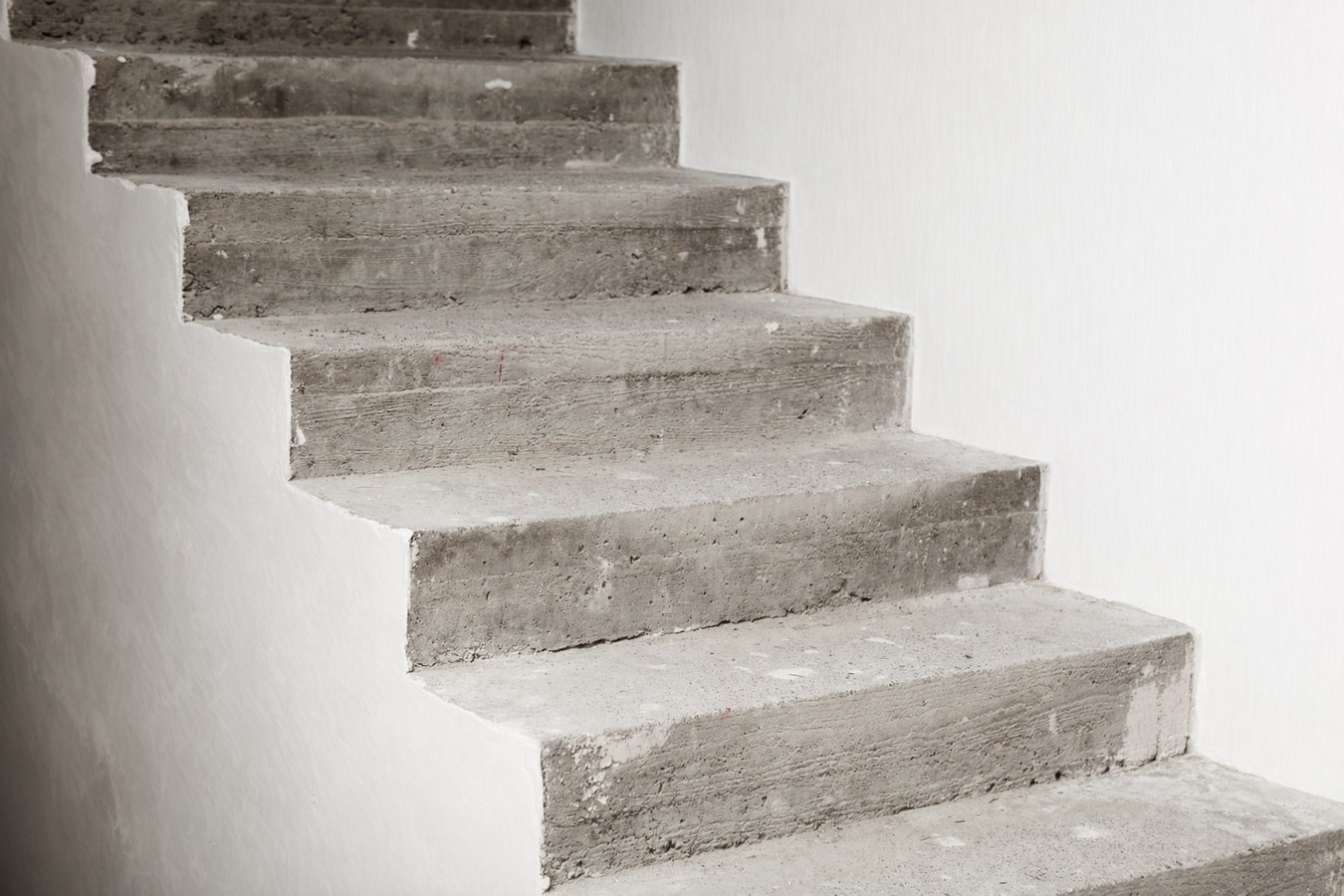
Cracked, sunken, or tilting front steps are a safety hazard and a sign of a base problem below. We build replacement steps that stay solid in Norwalk's clay soils and pass city inspection.
Concrete steps construction in Norwalk covers the full process from demolishing your existing steps to pouring, finishing, and curing new ones - most residential front entry jobs take one to two active work days, followed by a curing window before the steps are safe to use daily.
Many Norwalk homes were built in the 1950s and 1960s, which means a significant number of front entries have original concrete steps that are now 50 to 70 years old. At that age, cracking, tilting, and surface breakdown are normal - and patching the surface doesn't fix the base problem underneath. If you're also updating the rest of your front approach, we can combine steps work with concrete sidewalk building in the same project so the whole entry is consistent.
We handle the City of Norwalk permit process on your behalf, prepare the base properly for local clay soil conditions, and finish every set of steps with a texture that drains water and grips wet feet without an optional upgrade fee.
A crack that runs from the top surface down through the edge of a step means the structural integrity is compromised, not just the surface finish. In Norwalk's clay-heavy soil, this kind of cracking often starts when the ground beneath the steps shifts over time. A cracked-through step can break further underfoot without warning - that is a safety issue, not a cosmetic one.
Steps that lean back toward the foundation, or where one side sits noticeably lower than the other, have a base that has shifted. This is a common issue in older Norwalk homes where original steps were poured on uncompacted soil. Tilted steps also direct rainwater toward your foundation, which creates a separate problem over time.
If the top surface of your steps is peeling in layers, feels rough enough to scratch bare feet, or has chunks missing from the edges, the concrete has started deteriorating from the outside in. Steps from Norwalk's postwar housing stock are often past this threshold. Once the surface breaks down, water gets in and accelerates the damage through each wet season.
If any step shifts, rocks, or feels soft when you put your weight on it, the connection between the step and its base has failed. This is a safety hazard that will not improve on its own. Steps that move underfoot can give way suddenly, and the risk is higher for anyone in your home who is older or has limited mobility.
Our steps work covers front entry replacement, side yard access steps, and steps connecting a raised patio or deck to the rest of your yard. Every project starts with proper demolition and base prep - we excavate the area, compact a gravel base, and set the wooden formwork in the exact shape of your new steps before a drop of concrete is poured. The base work is what determines whether your steps hold up for 40 years or start shifting in five. We also handle all slab foundation building and related structural concrete work, so if your entry has more than just step damage, we can assess the full scope in one visit.
Finish options go well beyond plain gray concrete. We can add color to the mix, stamp a pattern before the surface sets, or apply an exposed aggregate texture that adds natural grip. If your home has a stucco exterior with a particular color, we can often match or complement it in the steps finish so the entry looks intentional rather than like a patch job.
Best for homes with original 1950s-1970s steps that have cracked, tilted, or deteriorated past the point of repair.
Suits homeowners who need a safe, permanent step connection between yard levels without the formality of a front entry design.
Ideal when you are adding or replacing a raised patio and need steps built at the same time for a consistent look and level.
For homeowners who want a finished, curb-appeal upgrade rather than a plain replacement - includes color, pattern, and texture options.
A large share of Norwalk's homes were built between 1950 and 1975, which means many front entries still have their original concrete steps - now 50 to 70 years old. At that age, the original builders often poured directly on uncompacted soil with minimal reinforcement, which was common practice at the time. The clay soils beneath much of the city have had decades to move and shift under those original slabs, and what you see as cracking or tilting today is usually the result of that cumulative movement. Homeowners in nearby cities like Downey and Whittier see the exact same pattern - the housing stock is the same age, and the soil conditions are nearly identical.
The City of Norwalk requires a building permit for most structural concrete work attached to a home, including front entry steps. The permit process adds a week or two before work can start, but it also means a city inspector reviews the finished work before you sign off. That inspection record is documentation that protects you at resale - unpermitted concrete work shows up in buyer inspections and can either delay a sale or require costly corrections under pressure. We pull permits as a standard part of every job, and we coordinate the inspection so you don't have to deal with the city directly.
We reply within one business day and schedule an in-person visit to your property. We'll measure the entry, assess existing steps and the base beneath them, and talk through finish options before writing anything up.
You receive a written estimate that breaks out labor, materials, and permit fees as separate line items. Once you approve it, we apply for the permit with the City of Norwalk and schedule your start date around approval.
We remove your old steps, excavate to the right depth, compact a gravel base, and build the wooden forms. Clear the area of planters, doormats, and anything stored near the entry before the crew arrives - this prep day takes a few hours to a full day depending on demolition scope.
The pour takes a few hours. Plan to use another entrance for 24 to 48 hours, and allow 28 days for full cure. We coordinate the city inspection and walk you through the finished project before closing out the job.
We handle the City of Norwalk permit, prepare the base for local clay soils, and give you a written quote before any work starts.
(562) 539-0405We work on 1950s-1970s homes across all 12 cities in our service area. That housing stock has consistent characteristics - original slab construction, clay soil bases, and aging concrete that has been through decades of seasonal movement. We know what to look for and how to fix it correctly.
The most common reason concrete steps fail in Norwalk is a base that was never properly compacted. We excavate to depth, add a gravel layer, and compact it before forming, every time. This is not an upgrade - it is standard on every project we take because skipping it is why you are replacing your steps in the first place. Portland Cement Association guidelines support proper base preparation as the primary factor in long-term step performance.
We apply for the City of Norwalk permit, coordinate the city inspection, and deliver a job that is fully documented. You do not need to visit any office or chase down any paperwork. When the job closes, you have a record showing the work was inspected and approved.
Norwalk summers regularly exceed 90 degrees, and concrete poured at peak midday heat can dry unevenly and develop surface cracks before the formwork even comes off. We schedule pours for early morning in warm months and protect the surface during the curing window - because the quality of the finished surface depends on what happens in the first few hours after the pour.
Every steps project we take is treated as a long-term safety investment for the household that uses those steps every day. That means the base work is never skipped, the permit is never optional, and the finish is chosen to drain water and grip wet feet without treating slip resistance as an add-on.
If your steps are sinking, the foundation underneath may need attention too.
Learn moreConnect your new steps to a rebuilt or extended front walk for a complete entry upgrade.
Learn moreEvery rainy season puts more stress on a failing base - call today for a free in-person estimate before the next one arrives.