Loading...
Serving Norwalk, CA and surrounding areas. (562) 539-0405
Serving Norwalk, CA and surrounding areas. (562) 539-0405
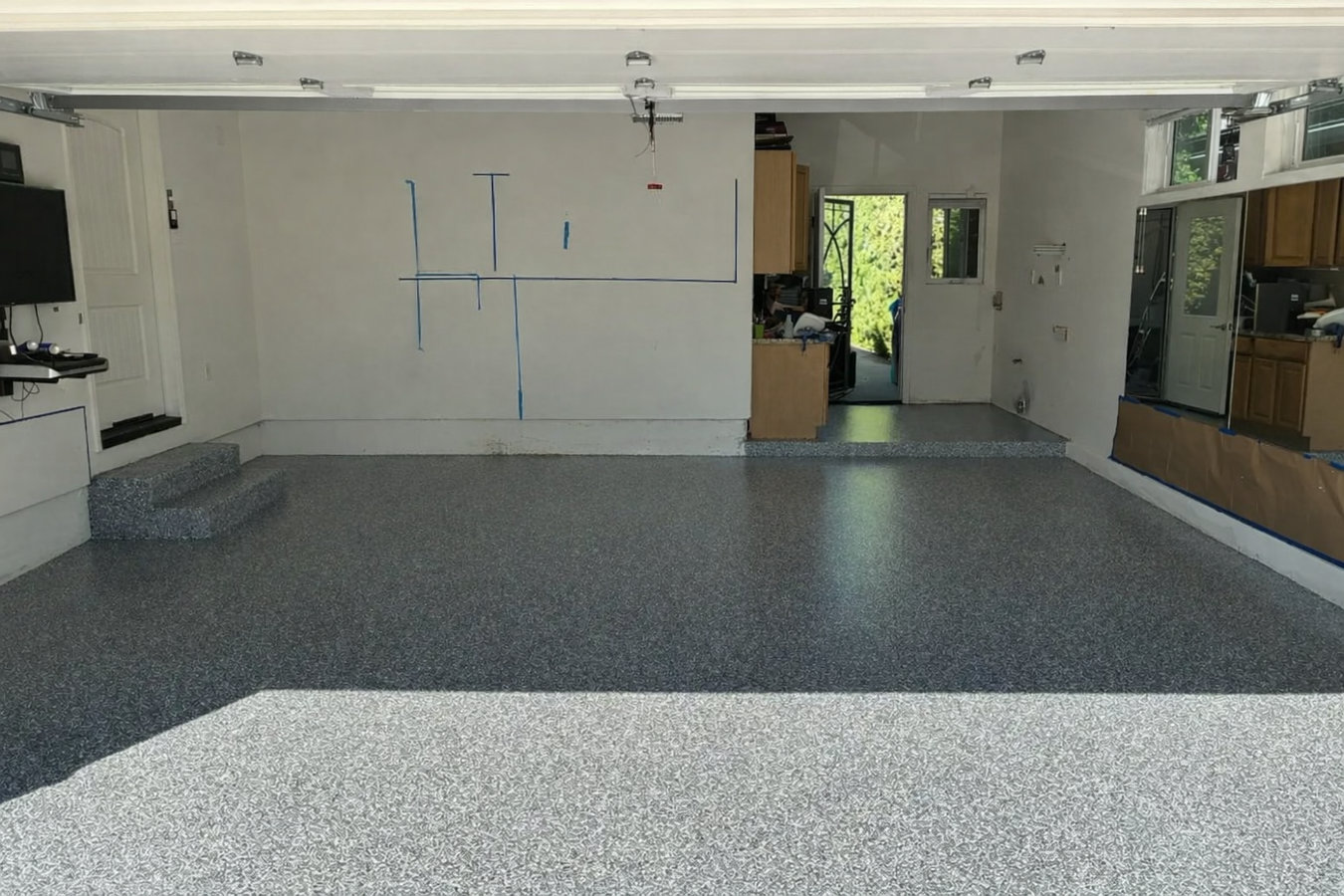
Cracked, flaking, or uneven floors in your garage, patio, or ADU are a sign the slab underneath has run its course. We install new concrete floors in Norwalk with proper ground prep and permits, so the floor stays solid for decades.
concrete floor installation in Norwalk means preparing the ground beneath, removing old material if needed, pouring fresh concrete, and finishing the surface - most residential jobs run one to three days of active work for a typical garage or patio size.
Most Norwalk homes were built in the 1950s through 1970s, and many still have their original slabs from that era. At 50 to 70 years old, those floors have been through decades of California sun, seasonal clay soil movement, and everyday use. When surface patching stops holding or cracks keep spreading, a full replacement gives you a floor that is solid and level from the ground up. If you are also converting a garage or adding an ADU, we can pair the floor with a garage floor concrete finish or a decorative surface once the structural pour is done.
Ground preparation is the step that determines whether your new floor cracks in two years or lasts two decades. Norwalk's clay-heavy soils expand and contract with every wet and dry season, and a floor poured over improperly prepared ground will reflect that movement in cracks, heaving, and uneven sections. We take that step seriously before any concrete gets poured.
Small hairline cracks are common in older concrete, but cracks that are widening, branching, or have edges that sit at different heights are a sign the slab beneath is shifting. In Norwalk, this is often caused by clay soil expanding and contracting through the seasons. If you can fit a quarter into the crack, it is worth having a contractor take a look.
When the top layer of concrete breaks apart in small chips or powdery patches, the surface has worn past the point where patching will hold. This kind of surface decay is common in Norwalk homes with slabs poured in the 1960s and 70s, when some mixing practices were not as consistent. A full resurfacing or replacement gives you a floor that lasts another generation.
Standing water on your garage or patio floor after a rainstorm means the floor has settled unevenly or the original drainage was not set up correctly. Norwalk gets most of its rain between November and March, so this is often when homeowners first notice the problem. Water that sits on concrete - or under it - speeds up deterioration and damages anything stored on the floor.
Garage conversions and ADU additions in Norwalk almost always require a new concrete floor that meets current building standards. If the space you are improving does not have a solid, level floor, that is the clearest sign it is time to call. A proper pour creates a base that is ready for tile, epoxy, or a finished surface finish once the structural work is done.
We install concrete floors for garages, covered patios, ADUs, driveways, and any other ground-level space on a Norwalk residential property. Every project starts with the same foundation: remove the old material if needed, grade and compact the ground, address any drainage issues, and then pour to the right thickness for how the floor will be used. Garage floors typically run four to six inches thick. Floors that will carry vehicle weight get reinforcing wire or rebar to distribute load and reduce cracking risk. We schedule pours during the cooler parts of the day in summer and use moisture covers to slow curing when temperatures are high - the steps that prevent surface cracking before the concrete has a chance to cure properly.
If you want something beyond plain gray concrete, we can add color, a broom finish, or a smooth trowel finish at the time of the pour. For decorative upgrades after the structural floor is in place - like an epoxy coating, a polished surface, or a stamped pattern - we can coordinate with our decorative concrete services so the finished space looks the way you imagined it. And if your project includes outdoor features like a pool surround or step approach, we can tie the floor pour into concrete pool decks or other exterior work in the same mobilization.
Suits homeowners replacing a worn original slab or upgrading ahead of a garage conversion.
Right for outdoor living areas that need a level, durable base for furniture and foot traffic.
Required for any new living space that needs a permitted, code-compliant structural slab.
Works when the existing slab is structurally sound but the surface is worn or uneven.
Norwalk's postwar housing stock means a lot of floors that were poured in the 1950s through 1970s and have been living with LA Basin clay soil ever since. That clay expands when it absorbs the winter rains and shrinks when the dry season arrives, and over decades it causes slabs to crack, heave, and settle in ways that patching alone cannot fix. The same pattern shows up in Lakewood and Compton - neighboring cities with the same housing vintage and soil conditions. Understanding what the ground is doing beneath the slab is the starting point for every floor project we take on.
Hot summers add another layer of complexity. Norwalk temperatures regularly reach the low-to-mid 90s from June through September, and concrete that dries too fast on the surface before it has cured underneath is prone to cracking. LA County building permits are required for most floor projects involving new construction or conversions, and the permit process adds one to three weeks before work begins. We factor both of those realities into every project schedule - heat-aware pour timing and permit processing are not afterthoughts here, they are part of how we plan the job. Homeowners in Norwalk can also check contractor license status through the California Contractors State License Board before hiring anyone.
We reply within one business day. Floor installation estimates require a site visit - we need to measure the space, assess the existing slab or ground, and identify any drainage issues before giving you a number you can rely on.
For most Norwalk floor projects, we pull the LA County permit before work starts. This typically takes one to three weeks. You do not need to do anything during this step - just factor it into your timeline.
Before any concrete is poured, the area is cleared. Old concrete is broken up and hauled away. The ground is then graded and compacted so it is stable and level. This is the noisiest part of the job - expect one to two days of heavy prep work before the pour.
On pour day the crew arrives early, especially in summer to beat the heat. After the pour, the floor is roped off for at least 48 hours. Once cured, we walk through the finished work with you and coordinate the county inspection so the job closes out on record.
We visit the site, assess the ground and existing slab, and give you a written price before any work begins. No commitment required.
(562) 539-0405We compact the ground and add drainage where needed before any concrete goes down. In Norwalk's clay-heavy soils, this step is what separates a floor that lasts 30 years from one that starts cracking in three. We have done it on properties all across the city.
When Norwalk temperatures climb into the 90s, we pour early in the morning and use moisture covers to slow the surface from drying before the concrete cures underneath. That is the step that prevents the hairline cracks homeowners notice a few months after a rushed summer pour.
We handle the permit paperwork through Los Angeles County before any shovels go in the ground. The work gets inspected, the job closes out on record, and you are protected at resale. The{' '} Portland Cement Association recommends permitted work for any floor that will bear load or be part of a living space.
We assess the full scope - ground prep, old slab removal, permit fees, finish type - before we give you a number. Serving all 12 cities in our service area, including Norwalk properties from the 605 corridor to the streets near Norwalk Town Square.
Every concrete floor installation in Norwalk starts with the same foundation: ground prep designed for clay soil, a permit pulled before work begins, and a pour scheduled around the heat. Those details are why our floors are still solid when others have started to crack.
Extend your concrete work to the pool surround with a surface matched to your new interior floor.
Learn moreUpgrade a basic structural garage pour with a finish coat or epoxy-ready surface.
Learn moreAdd color, texture, or a polished finish to your new concrete floor once the structural pour is complete.
Learn moreADU projects and garage conversions are moving fast across the city. Call today for a free on-site estimate and get on the schedule before summer heat pushes timelines out.